

Think about the last time you watched a great movie or read a gripping novel. Your heart raced during the chase scenes. You felt a lump in your throat during the sad moments.
Biologically, you were sitting in a safe chair, staring at a screen or paper. But your brain didn’t know the difference.
For the human brain, a story is not just a sequence of events. It is a flight simulator for life.
From an evolutionary standpoint, stories were the original “data storage.” Long before writing existed, humans used narratives to pass down survival information. “Don’t go to the river at night” became a story about a monster in the shadows. The story made the information stick.
What Happens in the Brain During a Story?
When we hear a story, several distinct neurological processes take place that don’t happen with dry facts or data.
1. Neural Coupling
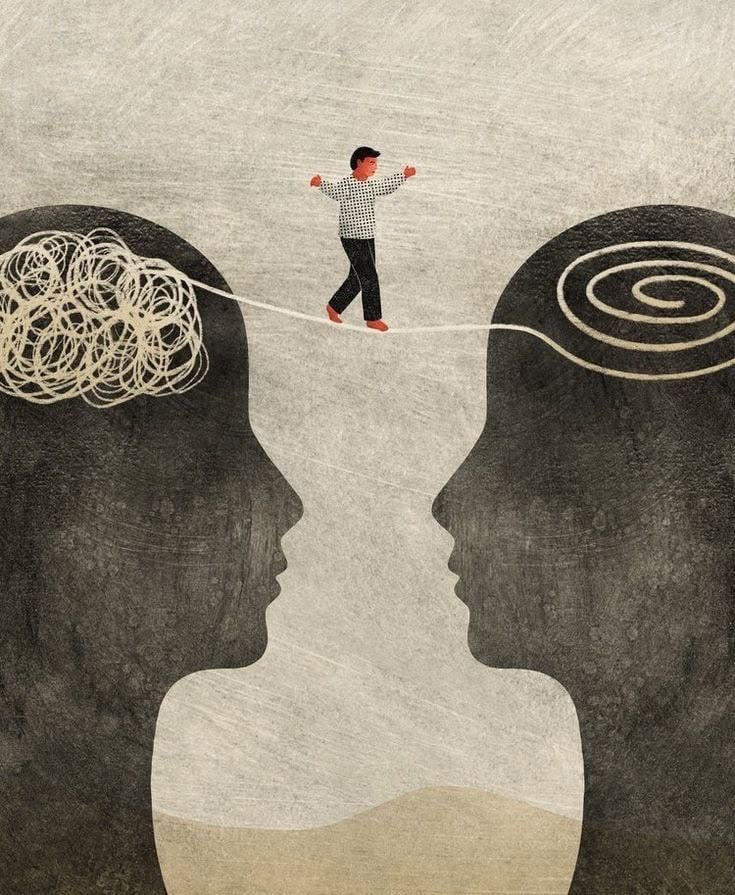
When someone tells you a story, your brain waves actually begin to mirror theirs. This is called Neural Coupling. If a speaker is describing a delicious meal, the sensory cortex in your brain (the part that processes taste and smell) lights up as if you were eating it yourself. This creates a deep, immediate bond between the storyteller and the listener.
2. The Dopamine & Oxytocin Cocktail
A well-structured story follows a predictable arc: tension, climax, and resolution.
- Dopamine: When the tension rises, the brain releases dopamine, which sharpens focus and helps with memory retention.
- Oxytocin: When we relate to a character, the brain releases oxytocin—the “bonding hormone.” This is what builds empathy and trust.
3. Cortex Activity
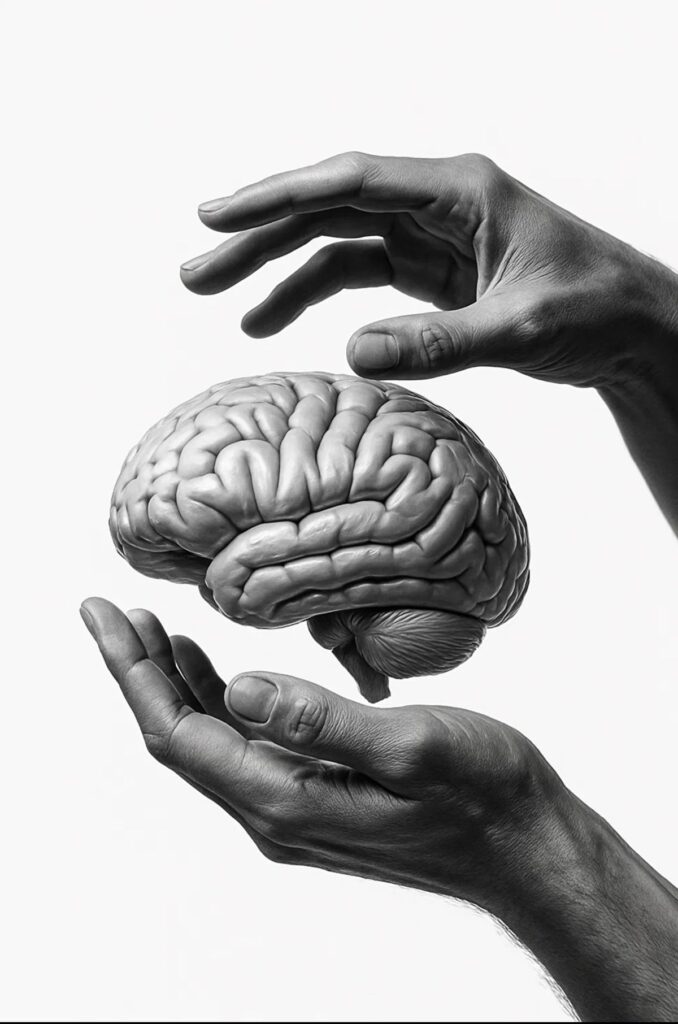
If you show someone a PowerPoint presentation with bullet points, two areas of the brain light up: Broca’s area and Wernicke’s area (the language processing centers). But if you tell that same person a story, you activate the entire brain. The motor cortex, the sensory cortex, and the visual cortex all join the party.
Because more of the brain is involved, the information is much more likely to be stored in long-term memory.
Why “Facts Tell, Stories Sell”
In marketing and branding, many businesses lead with features: “Our vacuum has a 400-watt motor and a HEPA filter.”
The brain hears this as “noise.” It requires effort to process those numbers.
Now, look at the story-based approach: “Imagine waking up on a Saturday morning. Your house is clean, the air is fresh, and for the first time in years, your allergies aren’t acting up. You have your whole weekend back.”
The second version isn’t just selling a vacuum; it’s inviting the brain into a narrative where the customer is the hero.
How to Build a “Sticky” Narrative for Your Blog or Brand
To trigger the right neurochemicals, your content should follow a basic psychological structure:
The Hero (Your Customer) Most brands make the mistake of being the hero. “We are the best company!” In a successful narrative, the customer is the hero. Your brand is the Guide (like Yoda or Gandalf) who provides the tool the hero needs to win.
The Villain (The Pain Point) Every story needs a conflict. Your customer’s “villain” might be wasted time, high costs, or a lack of confidence. Name the villain. Make it real.
The Transformation The most important part of a story is the change. How is the hero’s life different after using your advice or product? Use sensory details. Don’t just say “they were happy.” Say “they finally felt the weight lift off their shoulders.”
Actionable Takeaway for Content Creators
Next time you write an article or a social media post, try the “Once Upon a Time” audit.
If you can’t summarize your message as a journey from a problem to a solution, you are likely just providing “data.” Data is easily forgotten. Stories are “sticky.”
By tapping into the neuroscience of narrative, you aren’t just communicating—you are literally rewiring your audience’s brain to remember you.