

The Myth of Infinite Willpower
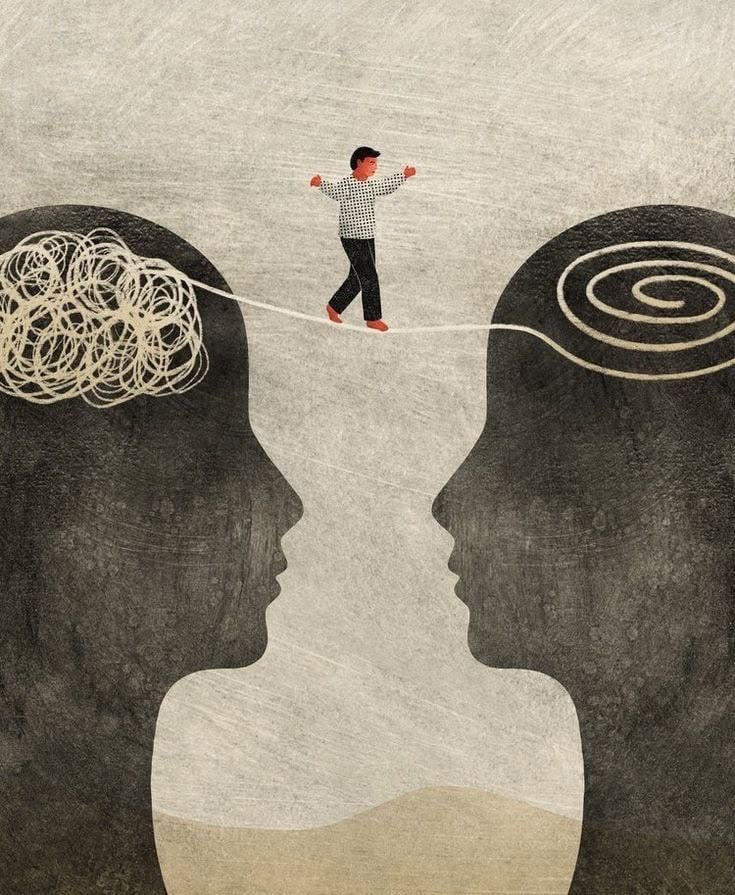
Many of us view willpower as a personality trait—something you either “have” or “don’t have.” We admire people who can resist a donut or sit through four hours of deep work as if they possess a magical reservoir of discipline.
However, social psychology suggests that willpower is actually a finite resource.
This concept is known as Ego Depletion. The theory, popularized by psychologist Roy Baumeister, proposes that self-control and mental focus draw from a limited pool of mental energy. Every time you make a choice—whether it’s deciding what to wear, resisting a distraction, or solving a complex problem—you “spend” some of that energy.
Once that pool is empty, your ability to make good decisions collapses.
The “Judge” Study: Decisions on an Empty Tank
One of the most famous examples of Ego Depletion involves a study of Israeli judges presiding over parole hearings.
Researchers found that the single most important factor in whether a prisoner was granted parole wasn’t their crime or their time served. It was what time of day the judge heard the case.
- Judges were much more likely to grant parole (a mentally taxing, “active” decision) in the morning or right after a meal break.
- As the day wore on and the judges’ mental energy depleted, they defaulted to the “easiest” decision: denying parole and keeping the status quo.
This is a stark reminder that even the most trained professionals are subject to the biological limits of the brain. When we are mentally tired, we don’t necessarily stop making decisions—we just start making lazy ones.
The Three “Willpower Leaks”
To protect your productivity, you need to identify what is draining your “tank” before you even get to your most important work.
1. Decision Fatigue
Small, inconsequential choices are the silent killers of focus. Choosing which email to answer first, what to eat for lunch, or which font to use in a draft all use the same “fuel” as your high-level strategy sessions.
2. Emotional Regulation
Suppressing your emotions—such as staying calm during a frustrating meeting or “faking it” in a sales call—is incredibly depleting. The more you have to manage your “self” in front of others, the less energy you have for creative output.
3. Impulse Control
In the digital age, we are constantly “spending” willpower to not check our phones. Every time a notification pings and you ignore it, you have used a tiny bit of your daily allowance of discipline.
How to Structure Your Day for Peak Performance
Since your mental energy is at its peak after sleep and nutrition, you must treat your morning hours like “Cognitive Gold.”
The “Eat the Frog” Strategy As the saying goes, if you have to eat a live frog, do it first thing in the morning. Do your hardest, most cognitively demanding task (writing, coding, strategizing) before you check your email or attend a meeting. Save the “admin” tasks for the afternoon when your tank is lower.
Automate the Mundane Follow the lead of high-performers like Steve Jobs or Mark Zuckerberg, who famously wore the same outfit every day. By automating your morning routine (what you eat, what you wear, your gym schedule), you save your “willpower credits” for the work that actually generates revenue or growth.
The Power of Glucose and Rest Your brain is a massive energy consumer. Short breaks and balanced nutrition can actually “refill” your pool of willpower. A 15-minute walk or a light snack isn’t “wasting time”; it is a strategic reboot for your prefrontal cortex.
Actionable Takeaway for the Modern Professional
Stop blaming your “lack of discipline” for your late-afternoon slumps. It’s not a character flaw; it’s a biological limit.
Look at your calendar for tomorrow. Are your most important tasks scheduled for 4:00 PM? If so, you are set up for failure.
Move the mountain in the morning. Sort the pebbles in the afternoon.