

Imagine you are walking through a high-end grocery store. You come across a tasting booth for gourmet jam.
In the first scenario, the booth has 24 different flavors to try. It looks impressive, colorful, and exciting. A huge crowd gathers to taste them.
In the second scenario, the booth only has 6 flavors. The crowd is smaller, and fewer people stop to look.
Which booth do you think sold more jam?
Common sense tells us the booth with 24 flavors would win because it appeals to everyone. However, famous research by psychologists Sheena Iyengar and Mark Lepper found the opposite:
- The booth with 24 flavors only convinced 3% of people to buy.
- The booth with 6 flavors convinced 30% of people to buy.
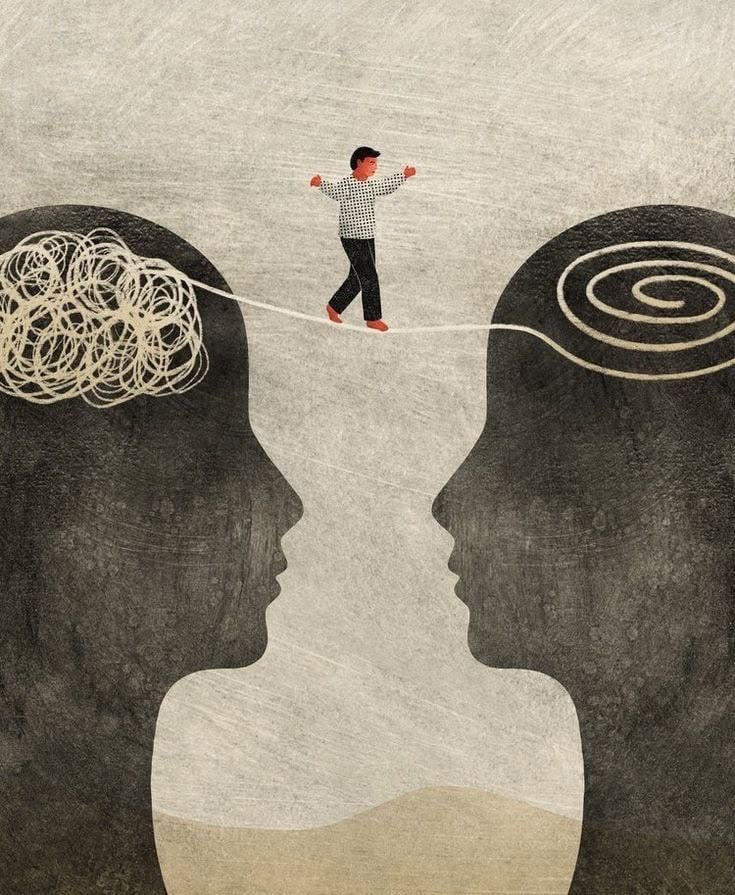
This is the Paradox of Choice. While we think we want more options, having too many actually paralyzes our ability to make a decision.
Why the Brain Freezes: The “Analysis Paralysis”
To understand why this happens, we have to look at how much energy the brain uses.
Every time we make a choice, our brain performs a “cost-benefit analysis.” We compare Option A to Option B.
If there are only two options, that’s one comparison. Easy. If there are ten options, the number of comparisons jumps significantly.
When a customer is faced with 20 different software tiers or 50 styles of shoes, the “mental tax” becomes too high. The brain begins to fear making the wrong choice more than it desires the right one.
To avoid the pain of regret, the brain chooses the safest path: doing nothing at all. This is why a confused customer never buys.
The Hidden Cost: Post-Purchase Regret
The Paradox of Choice doesn’t just stop at the checkout counter. It follows the customer home.
When you choose one item out of two, you feel confident. When you choose one item out of fifty, you spend your time wondering if one of the other forty-nine would have been better.
This leads to lower Brand Loyalty. Even if your product is great, the customer feels less satisfied because they are haunted by the “opportunity cost” of the options they didn’t pick.
In their mind, you didn’t provide a solution; you provided a stressful experience.
How to Fix “Choice Overload” in Your Business
You don’t have to delete half your inventory to solve this. You just need to change how you present it. Here are four psychological strategies to guide the customer to a “Yes.”
1. Categorization is Key
If you must offer many products, don’t list them all on one page. Group them into “buckets” based on the user’s goal. Instead of “View All 100 Vitamins,” use categories like “Vitamins for Energy,” “Vitamins for Sleep,” and “Vitamins for Immunity.” By choosing a category first, the customer narrows their own playing field, making the final choice feel manageable.
2. The “Best Seller” or “Staff Pick” Label
When we are overwhelmed, we look for Social Proof. By highlighting one option as the “Most Popular” or “Recommended for Beginners,” you give the customer a psychological “out.” You are telling them: “You don’t have to compare everything; the tribe has already decided this one is the best.”
3. The Rule of Three (Tiered Pricing)
There is a reason why almost every successful SaaS company (like Zoom or Spotify) offers three tiers: Basic, Pro, and Enterprise. Three is the “magic number” for the human brain. It feels like a choice, but it isn’t overwhelming. Usually, the customer ignores the cheapest and the most expensive, settling comfortably on the middle “Pro” option.
4. Guided Selling (The Quiz Method)
Instead of asking a customer to browse, ask them questions. “What is your skin type?” “What is your budget?” By the end of the quiz, you present them with one perfect match. You have done the heavy cognitive lifting for them, which creates a sense of relief and gratitude.
Actionable Takeaway for Branding
Take a look at your website’s navigation menu or your service list today.
Are you asking your visitors to do too much “homework”?
Remember: Your job is not to give the customer everything you have. Your job is to lead the customer to the one thing they need.
Minimize the friction, and you will maximize the conversion.